


Introduction
In today’s digital era, visual content has become one of the most powerful communication tools. From social media campaigns to cinematic productions, audiences are constantly exposed to visual messages. However, creating visually appealing content requires more than just a good camera or attractive subjects. One of the most important elements behind professional visuals is color grading.
Color grading is the process of adjusting colors, contrast, highlights, shadows, and overall visual tone to create a specific mood and atmosphere. While many people see it as a technical editing process, color grading actually plays a significant role in visual storytelling. It helps creators communicate emotions, strengthen narratives, and establish a recognizable visual identity.
Understanding Color Grading
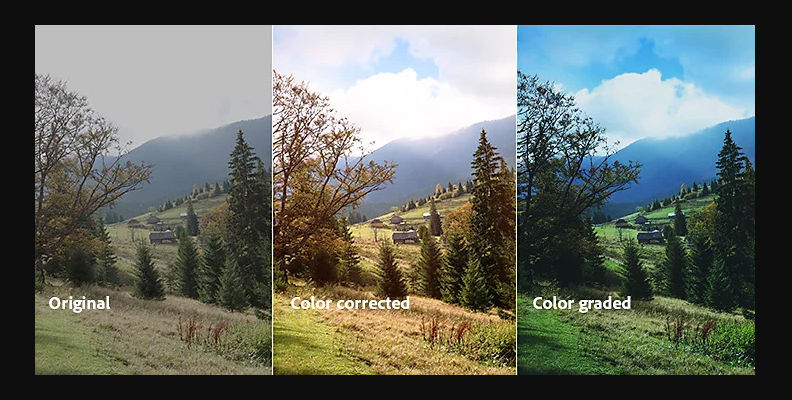
Color grading is often confused with color correction. Although both are part of post-production, they serve different purposes. Color correction focuses on fixing exposure, white balance, and color accuracy, while color grading is more creative. It is used to shape the visual style of an image or video.
For example, warm orange tones can create a nostalgic feeling, while cool blue tones may evoke sadness, calmness, or mystery. Through color grading, creators can guide audience emotions without using words.
The Role of Color in Storytelling
Colors have psychological effects on viewers. Different color palettes communicate different messages. In visual storytelling, colors help audiences understand the mood of a scene before any dialogue takes place.
A romantic scene may use warm and soft tones to create intimacy. In contrast, a suspenseful scene may use darker tones and reduced saturation to increase tension. These visual choices help audiences connect emotionally with the story.
As a visual storyteller, understanding color psychology is essential because it allows creators to intentionally influence audience perception.
Building a Visual Identity Through Color
One major advantage of color grading is consistency. Brands, photographers, and content creators often use similar color styles across their content to establish a recognizable identity.
Many successful creators are known for their unique visual aesthetic. When audiences repeatedly see a specific color palette, they begin associating it with a particular creator or brand. This visual consistency increases professionalism and brand recognition.
For photographers and content creators, developing a signature color grading style can become a powerful personal branding strategy.
Color Grading in Social Media Content
Social media platforms such as Instagram and TikTok are highly visual environments. Users often decide whether to engage with content within seconds. Therefore, visual presentation matters significantly.
Consistent color grading helps create an organized and professional-looking profile. It also improves the overall aesthetic quality of content, making it more appealing to potential clients and followers.
For businesses, well-graded content can strengthen brand image and increase audience trust. High-quality visuals often communicate professionalism more effectively than words.
Challenges and Opportunities
While many editing applications now offer automatic filters and AI-generated presets, creative color grading remains a human skill. Technology can provide suggestions, but it cannot fully understand storytelling goals, emotional context, or artistic intention.
This creates opportunities for photographers and content creators who are willing to develop their artistic vision. In an increasingly competitive digital environment, originality and creativity remain valuable assets.
Conclusion
Color grading is much more than a technical editing process. It is a powerful storytelling tool that influences emotions, builds visual identity, and enhances audience engagement. As digital content continues to dominate communication, mastering color grading can help creators stand out and communicate their stories more effectively.
For aspiring visual storytellers, understanding color grading is not optional—it is an essential skill that transforms ordinary visuals into meaningful experiences.